If you handle a lawn in Greensboro, you can keep weeds mainly in talk to stable cultural practices, timely pre-emergent applications, and selective area treatments that fit our Piedmont climate. The rest of this guide describes exactly how that plays out month by month, why certain weeds persist here, and what to do when they gain ground anyway.
What Greensboro's environment implies for weeds
Greensboro beings in the transition zone, which means we grow both warm-season and cool-season grass, in some cases on the exact same street. High fescue controls residential lawns, with Bermuda and zoysia combined across sunnier sites and athletic areas. That mix alone shapes weed pressure. Fescue stays green through winter season, so winter season annual broadleaves like henbit and chickweed stick out less. Bermuda and zoysia go shady, which makes winter season weeds painfully obvious.
Our weather condition calendar matters as much as grass type. We get broad swings: warm spells in January, cold snaps in April, and clammy afternoons that make crabgrass and nutsedge feel at home. Annual rains relaxes 40 to 45 inches, however it does not get here nicely. Spring fronts can dispose inches in a weekend. Those surges leach nutrients, compact soil, and open canopy gaps, which weeds make use of faster than lawn can.
Understanding the regional rhythm assists you time your moves. Crabgrass germinates when soil at the 1 to 2 inch depth holds around 55 to 60 degrees for numerous days, typically late March into April. Annual bluegrass sprouts as soil drops into the 70s and then the 60s in late summer to early fall. Nutsedge rides the very first true heat run, frequently revealing by late May in damp areas. If you line up your program with those windows, you prevent most break outs rather of chasing after them.

The normal suspects in Greensboro lawns
You'll see the same cast year after year. Knowing their routines lets you pick the fastest, least disruptive fix.
- Crabgrass and goosegrass: Warm-season annual turfs that prosper in thin, compressed locations along driveways and curb lines. Crabgrass seeds sprout early spring. Goosegrass follows later on as soils warm, especially in high-traffic spots. Annual bluegrass (Poa annua): A cool-season yearly that germinates in late summer through fall, overwinters, and goes to seed as the weather condition warms. It enjoys damp, fertile, compacted soils and will occupy any bare area you leave open in September. Nutsedge (yellow, often purple): A perennial sedge with shiny, triangular stems. It bolts during hot, wet stretches. Mowing does little bit. Pulling breaks roots and frequently multiplies it. Spurge, knotweed, chickweed, henbit, bittercress: Broadleaves that cue off soil disruption and wetness. Knotweed in particular flags hard, compressed entries and mail boxes where foot traffic is heavy. Dallisgrass: A coarse perennial clump-former. It creeps into Bermuda lawns near ditches and low spots. Extremely tough to eliminate easily without targeted herbicides. Violets and ground ivy: Shade-loving perennials in older areas with huge canopy trees. Thick waxy leaves resist numerous quick-kill sprays.
If your yard seems to grow a new weed every season, the root problem is typically compaction, thin turf from shade, or irrigation that keeps the top inch damp. Repair those and the majority of the weeds quit willingly.
Build the lawn so weeds have no room
Greensboro weed control is won with yard density, not simply chemicals. The soil under lots of Triad yards is a firm, orange clay that sheds water if you treat it like concrete and soaks it up if you loosen up and feed it. I've seen two next-door neighbors with the very same seed and schedule get really various outcomes since one attended to soil and mowing, the other simply chased weeds.
Start with what the turf desires, then layer in pre-emergents and spot treatments to secure gains.
Mowing that prefers the grass
Most fescue yards perform best cut at 3.5 to 4 inches. That additional canopy shades the soil, slows crabgrass germination, and conserves moisture on hot afternoons. If you've been cutting short to "neaten things up," anticipate more weeds. Bermuda and zoysia want a different approach: 1 to 2 inches for Bermuda, 1.5 to 2.5 inches for zoysia depending upon variety and devices. Heights tighter than that need reel mowers and a smoother grade than a lot of home lawns have.
Do not scalp. Drop more than one-third of the leaf at a time and you'll thin the stand within a week. Thin grass equates to easy seed-to-soil contact, which equates to crabgrass.
Watering that enhances roots
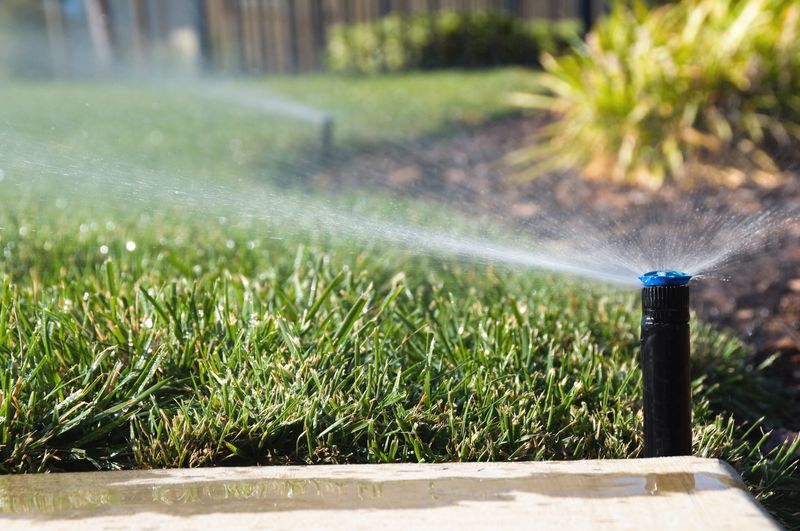
Weed seeds love frequent, light irrigation that keeps the top half-inch wet. Aim for deeper, less regular watering: approximately 1 to 1.25 inches weekly throughout summer season for fescue, provided in a couple of sessions. If thunderstorms provide it, turn the system off. For Bermuda and zoysia, water as required to maintain color and avoid drought tension, however prevent day-to-day cycles unless you are developing new sod. Morning watering minimizes leaf dampness duration, which helps with disease and suggests less thin, disease-injured patches for weeds to fill.
Feeding the lawn without feeding the weeds
Fescue grows actively in spring and fall. Split nitrogen into light doses, normally 0.5 to 0.75 pounds of actual nitrogen per 1,000 square feet in September and again in October or November, then a smaller sized "winterizer" dose in late November if the lawn is healthy. Prevent heavy nitrogen in late spring, which pushes tender development into summertime tension, developing bare locations and illness. Warm-season grass desires its fertilizer after green-up: Bermuda typically 3 to 4 pounds of nitrogen per 1,000 square feet spread out from late Might through August, zoysia a bit less.
Soil test every 2 to 3 years. The clays around Greensboro can be acidic. Lime according to test, not guesswork. A pH in the low sixes suits fescue and assists nutrients do their task, which helps the lawn outcompete weeds.
Relieve compaction and thicken thin areas
Core aeration makes a visible difference in our clay. Run hollow tines in fall for fescue and late spring for Bermuda and zoysia. If your soil dries into a crust and sheds water, aeration plus a topdressing of evaluated garden compost can turn it from repellent to responsive. You do not need wheelbarrows of compost every year, however a quarter-inch after aeration on problem areas alters the infiltration pattern.
Overseed fescue in September when nights fall into the 60s. Seed-soil contact is everything. After aeration, use a quality tall fescue blend at 4 to 6 pounds per 1,000 square feet, then keep the top quarter-inch moist for 10 to 14 days. A developed, thick fescue sward stops most winter season annuals and puts down enough shade to blunt spring crabgrass. Warm-season lawns do not need overseeding for density; they require sunlight and time. If thinning occurs in shade, withstand pressing fertilizer. Think about pruning or limbing up trees to enhance light, or accept a shade-tolerant groundcover in persistent areas.
Timing pre-emergents for Greensboro's seasons
Pre-emergent herbicides are insurance plan. Put them down before seeds sprout, water them in, and they form a barrier that stops roots from developing. Miss the timing or dilute them with too much soil disturbance and they will not conserve you. In Greensboro, you'll normally require two windows.
Spring: late March into early April, when redbuds bloom and forsythia subsides. Check soil temperatures if you want to be exact. When the 5-day average at 2 inches strikes the upper 50s, it's time. The objective is to intercept crabgrass and goosegrass.
Fall: late August through mid September for yards with yearly bluegrass pressure. If you overseed fescue, you can not utilize basic pre-emergents on the seeded locations or you will obstruct your turf seed too. That implies you need to rely on dense seeding, starter fertilizer, and mindful watering, then clean up Poa annua later on with selective post-emergents. If you are not seeding, a fall pre-emergent is a strong move.
Choose an item that fits your grass and goals. Prodiamine provides long persistence, which is excellent for crabgrass however can make complex fall overseeding if used late. Dithiopyr offers excellent control and a little post-emergent reach on tiny crabgrass. Pendimethalin works but spots and has shorter period. For Poa annua, prodiamine or dithiopyr in late August assists, and there are specialized alternatives labeled for warm-season turf that target Poa without injuring bermuda. Always check out the label and match the grass type. If you're coordinating with a landscaping service, ask them what chemistry they utilize and how that affects fall seeding plans.
Water-in matters. A half-inch of irrigation or rain within a few days sets the barrier. If you spread pre-emergent and a dry week follows, you've left the gate open.
Post-emergent control that respects your turf
Even with excellent prevention, a weed or 3 will pop. Strike them surgically.
Broadleaf weeds in fescue: A three-way mix containing 2,4 D, MCPP/ Mecoprop, and Dicamba gets henbit, chickweed, and clover without hurting established fescue when used as directed. Hard-to-kill violets or ground ivy may require triclopyr. Spray on a moderate day, 50 to 80 degrees, without any rain due and no wind. Treat spots rather than blanketing the lawn unless the outbreak is severe.
Grassy weeds: As soon as crabgrass grows past a number of tillers, select a quinclorac product labeled for your grass. Fenoxaprop is another choice, often used in cool-season yards. Check out label limitations for warm-season grasses. For dallisgrass in bermuda, set expectations: many programs require repeated spot treatments or, in small patches, physical removal and plugging.
Nutsedge: Use a sedge-specific herbicide such as halosulfuron or sulfentrazone. Pulling seldom works long term. Sedges like damp feet, so also check irrigation zones and grading. I have actually seen a single low sprinkler head produce an irreversible sedge colony.
Annual bluegrass: In fescue, post-emergent options are minimal and often dangerous. Cultural density is your ally. In bermuda and zoysia, items with foramsulfuron, rimsulfuron, or a mix targeted to Poa can be effective when utilized at the ideal temperature level window. Do not spray throughout spring green-up of warm-season turf.
Always turn modes of action year to year to avoid resistance. I've strolled homes where Poa shrugged at standard rates after years of the exact same chemistry. https://www.ramirezlandl.com/ Variation and timing beat brute force.
A practical Greensboro calendar
Every lawn differs, however this schedule fits most Triad fescue lawns and adapts quickly to warm-season turf.
Early spring, late February to March: Walk the lawn. Mark thin locations, compaction zones near street edges, and drainage concerns. Hone blades. If soil test results call for lime, apply when ground is workable.
Late March to early April: Use spring pre-emergent and water it in. Cut fescue at 3.5 to 4 inches. Apply a light fertilizer if color lags, but avoid heavy feedings. Spot-spray winter broadleaves on warm afternoons above 55 degrees.
April to May: Stay consistent on mowing height. Fix irrigation protection before heat shows up. In warm-season yards, hold fertilizer up until green-up is consistent. Look for the first nutsedge and spot-treat early.
June to August: For fescue, switch to summer season survival mode. Deep, infrequent watering just when needed. Raise cutting height a notch during heat waves. Skip nitrogen unless you intentionally press warm-season turf. Address sedge and spot crabgrass with selective herbicides, however prevent blanket sprays in high heat.
Late August to mid September: Pick overseeding if you have fescue. If seeding, avoid fall pre-emergent on those locations. Core aerate, seed, and topdress lightly where bare. Keep seedbed wet with brief, frequent waterings for 2 weeks, then taper.
September to October: Feed fescue with 0.5 to 0.75 pounds nitrogen per 1,000 square feet twice, spaced four to six weeks apart. Control any broadleaf flush early, before temperatures fall. In warm-season yards, plan a fall pre-emergent targeting Poa if not overseeding rye.
November: Final fescue feeding if the yard is healthy. Tidy leaves immediately so seedlings are not smothered. Winterize irrigation.
December to January: Mainly observation. If you missed fall density work, accept that winter weeds will be more visible. Do not scalp dormant bermuda attempting to "clean it up." That exposes soil and invites spring problems.
Solving issues by area, not just by weed
Weed break outs usually map to website conditions. Repair the area and you seldom see a repeat.
Driveway edges and curbs with crabgrass: Heat radiates off concrete and asphalt, raising soil temperature level along the border. Pre-emergent barriers can break down quicker here. On those edges, make a second, lighter pass with your spring pre-emergent, then water it in. Keep mower tires off the exact same line every pass to avoid a compacted groove.
Shady corners with thin fescue and violets: Trimming height helps, but light rules. Limb up lower branches to press dappled light throughout more hours. If the area still gets under four hours of sun, consider a mulch bed, shade garden, or a groundcover that accepts low light. Repetitive triclopyr applications can reduce violets, however they return if the shade-stress remains.
Low swales with nutsedge: Fix the grade or include a French drain. Adjust irrigation so the zone does not run as long as the higher, drier parts. Spot-treat sedge while you attend to the water. Without drain work, you will be spraying every summer.
Compacted entry courses with knotweed: Aerate those strips specifically, not simply the entire yard. A few passes with a manual core tool and a dusting of garden compost can turn a yearly knotweed patch into solid turf the next season. If foot traffic is unavoidable, install stepping stones or a course to concentrate wear.
Steep slopes with erosion and goosegrass: Slopes shed seeds and fertilizer. Include a straw web or jute mat when seeding in fall, use a slit seeder for much better anchoring, and consider terracing little sections. A split spring pre-emergent application helps preserve the barrier where runoff would thin it.
How experts in Greensboro normally approach it
If you generate a landscaping Greensboro NC group for weed control, request a strategy that matches your turf type and seeding intents. Numerous services run a six- to eight-visit program with a minimum of 2 pre-emergent passes, seasonal fertilization, and targeted sprays. The good ones examine micro-conditions, not just the calendar.
Key concerns to ask:
- What pre-emergent chemistry and rate will you utilize, and how does it effect fall overseeding? How do you adjust for curb lines, shady areas, and compacted soil? What is your plan for nutsedge and Poa annua in my particular turf? Will you core aerate and seed in September, and what is your watering schedule for establishment? How do you prevent herbicide resistance and avoid blanket spraying during heat?
The answers will tell you if the provider is tailoring the program or just providing a basic plan. Proficient teams will also look for disease, due to the fact that brown spot in June can thin fescue quickly, and weeds rush into those spaces. Often the most intelligent weed control in summer is calling back irrigation and raising mowing height to keep illness at bay.
When to accept options to a perfect lawn
Not every site can carry a golf-fairway standard. Mature oaks, north-facing slopes, and heavy clay in brand-new developments all set limits. Where you battle the very same weeds every year in the same areas, weigh the expense of endless treatment against a change of plant. Under deep shade, a mulch bed with hosta or hellebores will be cleaner and less work than fescue. In a completely sunbaked hell strip between walkway and street, transform a narrow band to a drought-tolerant decorative bed with stone edging that will not bleed pre-emergents into your main lawn.
A customer in northwest Greensboro had a relentless dallisgrass colony along a roadside ditch. After two seasons of spot-sprays and plugs, the location still looked patchy. We regraded the ditch lip, laid a 2-foot strip of decorative gravel with steel edging, and let the bermuda reclaim the rest. The issue never ever returned since we got rid of the damp, compressed edge that nurtured the weed.
A quick, field-tested checklist
Use this as a fast referral for the busiest months.
- Late March to early April: Use spring pre-emergent, water in, cut high, repair work irrigation coverage. September: Aerate and overseed fescue, or if not seeding, apply fall pre-emergent for Poa annua.
Keep the remainder of the year about upkeep: consistent mowing, measured watering, light, well-timed feeding, and surgical spot treatments.
Small details that make a big difference
Edges matter. A two-inch gap in grass at a pathway welcomes crabgrass more than the open center of the yard. Edging with a string trimmer should skim, not trench. If you see a rut appear, fill it with compost and seed in fall.
Spray technique matters. A calm morning reduces drift and improves protection. Use a fan-tip nozzle, keep pressure steady, and stroll a consistent rate. If you can smell herbicide strongly, you are probably atomizing excessive into the air.
Weather memory matters. After a porous winter season with numerous freeze-thaw cycles, expect more heaving and more spring weeds in fescue. After a saturated spring, plan for heavier sedge pressure in June. Change strategies a notch much faster than the calendar suggests.
Equipment matters. A mower with a dull blade shreds fescue, giving it a gray, stressed out cast that welcomes disease and weeds. Hone blades two times a season for home usage, more frequently if you trim weekly on sandier soils.
Patience matters. Pre-emergents prevent, not cure. Post-emergents need the plant actively growing. Cultural improvements take weeks to show. When you layer those pieces over a season, weed pressure drops visibly by the 2nd year and typically dramatically by the third.
Putting all of it together
Greensboro yards battle a predictable mix of crabgrass, Poa annua, sedge, and opportunistic broadleaves. The winning technique is not strange, it is consistent. Construct density with the best mowing height, irrigation rhythm, and feeding schedule. Eliminate compaction on our clay. Overseed fescue in September. Time your pre-emergents to soil temperature level, not just dates, and water them in. Treat leaves with turf-safe area sprays selected by weed type. Repair the website conditions where weeds repeat.
If you need aid, look for landscaping experts who speak in specifics, not mottos. The goal is not zero weeds at any expense. The objective is a healthy lawn that shrugs off most intruders and just requests a handful of clever interventions each year. Done that way, Greensboro's swings in weather condition end up being something you prepare for instead of something the weeds utilize against you.
Business Name: Ramirez Landscaping & Lighting LLC
Address: Greensboro, NC
Phone: (336) 900-2727
Website: https://www.ramirezlandl.com/
Email: [email protected]
Hours:
Sunday: Closed
Monday: 8:00 AM–5:00 PM
Tuesday: 8:00 AM–5:00 PM
Wednesday: 8:00 AM–5:00 PM
Thursday: 8:00 AM–5:00 PM
Friday: 8:00 AM–5:00 PM
Saturday: 8:00 AM–5:00 PM
Google Maps: https://www.google.com/maps/search/?api=1&query=Google&query_place_id=ChIJ1weFau0bU4gRWAp8MF_OMCQ
Map Embed (iframe):
Social Profiles:
Facebook
Instagram
Major Listings:
Localo Profile
BBB
Angi
HomeAdvisor
BuildZoom
Ramirez Landscaping & Lighting is a Greensboro, North Carolina landscaping company providing design, installation, and ongoing property care for homes and businesses across the Triad.
Ramirez Landscaping & Lighting offers hardscapes like patios, walkways, retaining walls, and outdoor kitchens to create usable outdoor living space in Greensboro NC and nearby communities.
Ramirez Landscaping & Lighting provides irrigation services including sprinkler installation, repairs, and maintenance to support healthier landscapes and improved water efficiency.
Ramirez Landscaping & Lighting specializes in landscape lighting installation and design to improve curb appeal, safety, and nighttime visibility around your property.
Ramirez Landscaping & Lighting serves Greensboro, Oak Ridge, High Point, Brown Summit, Winston Salem, Stokesdale, Summerfield, Jamestown, and Burlington for landscaping projects of many sizes.
Ramirez Landscaping & Lighting can be reached at (336) 900-2727 for estimates and scheduling, and additional details are available via Google Maps.
Ramirez Landscaping & Lighting supports clients with seasonal services like yard cleanups, mulch, sod installation, lawn care, drainage solutions, and artificial turf to keep landscapes looking their best year-round.
Ramirez Landscaping & Lighting is based at 2700 Wildwood Dr, Greensboro, NC 27407-3648 and can be contacted at [email protected] for quotes and questions.
Popular Questions About Ramirez Landscaping & Lighting
What services does Ramirez Landscaping & Lighting provide in Greensboro?
Ramirez Landscaping & Lighting provides landscaping design, installation, and maintenance, plus hardscapes, irrigation services, and landscape lighting for residential and commercial properties in the Greensboro area.
Do you offer free estimates for landscaping projects?
Ramirez Landscaping & Lighting notes that free, no-obligation estimates are available, typically starting with an on-site visit to understand goals, measurements, and scope.
Which Triad areas do you serve besides Greensboro?
Ramirez Landscaping & Lighting serves Greensboro and surrounding Triad communities such as Oak Ridge, High Point, Brown Summit, Winston Salem, Stokesdale, Summerfield, Jamestown, and Burlington.
Can you help with drainage and grading problems in local clay soil?
Yes. Ramirez Landscaping & Lighting highlights solutions that may address common Greensboro-area issues like drainage, compacted soil, and erosion, often pairing grading with landscape and hardscape planning.
Do you install patios, walkways, retaining walls, and other hardscapes?
Ramirez Landscaping & Lighting offers hardscape services that commonly include patios, walkways, retaining walls, steps, and other outdoor living features based on the property’s layout and goals.
Do you handle irrigation installation and repairs?
Ramirez Landscaping & Lighting offers irrigation services that may include sprinkler or drip systems, repairs, and maintenance to help keep landscapes healthier and reduce waste.
What are your business hours?
Ramirez Landscaping & Lighting lists hours as Monday through Saturday from 8:00 AM to 5:00 PM, and closed on Sunday. For holiday or weather-related changes, it’s best to call first.
How do I contact Ramirez Landscaping & Lighting for a quote?
Call (336) 900-2727 or email [email protected]. Website: https://www.ramirezlandl.com/.
Social: Facebook and Instagram.
Ramirez Landscaping & Lighting is proud to serve the Greensboro, NC area and offers professional hardscaping solutions for residential and commercial properties.
Need landscape services in Greensboro, NC, contact Ramirez Landscaping & Lighting near Greensboro Arboretum.